For Directors
I score to picture, performance, and point of view. You get fast A/B/C options early, clear revision passes, and cues that support your cut without competing with it.
How I work
Spotting
Define cue in/out, hit points, and the scene's job, plus what to avoid.
Options A/B/C
2–3 distinct directions on the same cut, so decisions stay fast and clean.
Lock
Timing and intent approved first, then orchestration and mix without moving targets.
Delivery
Organized exports and versions for post, with stems when needed.
Delivery ready for post
- Main stereo mix
- Dialogue-friendly alternate when needed
- Stems on request, clearly named
- Cue sheet timings for the cut
- One clean delivery folder, versioned
Scene case studies
Scene-by-scene breakdowns: goals, key moments, options tested, and delivery.
Sitting on the Seashore, First Theme Entrance (Beach)
Soggetto Obsoleto · Reveal · 01:44
 01:44Theme entranceMajor-to-minor landingPiano ticksEmotionRelease
Sitting on the Seashore, First Theme Entrance (Beach)
Soggetto Obsoleto · Reveal · 01:44
Marco reaches the beach. His father is already there, facing the sea. This is the first cue where the score is allowed to bloom fully. The music must open emotional space from the inside, not illustrate the location.
- A: Only piano ticks. No theme. Too cold, no emotional doorway.
- B: Theme on father reveal (light strings + piano + airy synth), stop right before the first request to sit.
- C: Theme earlier during the walk. Feels manipulative and telegraphs the moment.
Goal: unlock Marco's emotions for the first time after a full film of restraint, but without catharsis. 0:00-0:32: only piano ticks, acting as an emotional clock (time held, no melody). 0:32-1:44: the theme, in G major, enters on the father reveal with piano leading, light strings, and an airy synth bed. The orchestration stays deliberately clean and restrained so it opens space without pushing the viewer, then cuts before 'May I sit here with you?' so dialogue lands clean. Harmony keeps a major colour but lands in minor: G-F#m-A-Em, with B minor withheld until the final chord (promise held back, release not complete).
- Delivery format: WAV (linear PCM)
- Specs: 48 kHz, 24-bit
- Sync: aligned to final picture
- Stems: Piano, Strings, Synth
- Alt: reduced version for dialogue/editorial flexibility
- Clean filenames and versioning
I Veneti Antichi, The Battle With The Spartans (Action)
I Veneti Antichi · Action · 04:59
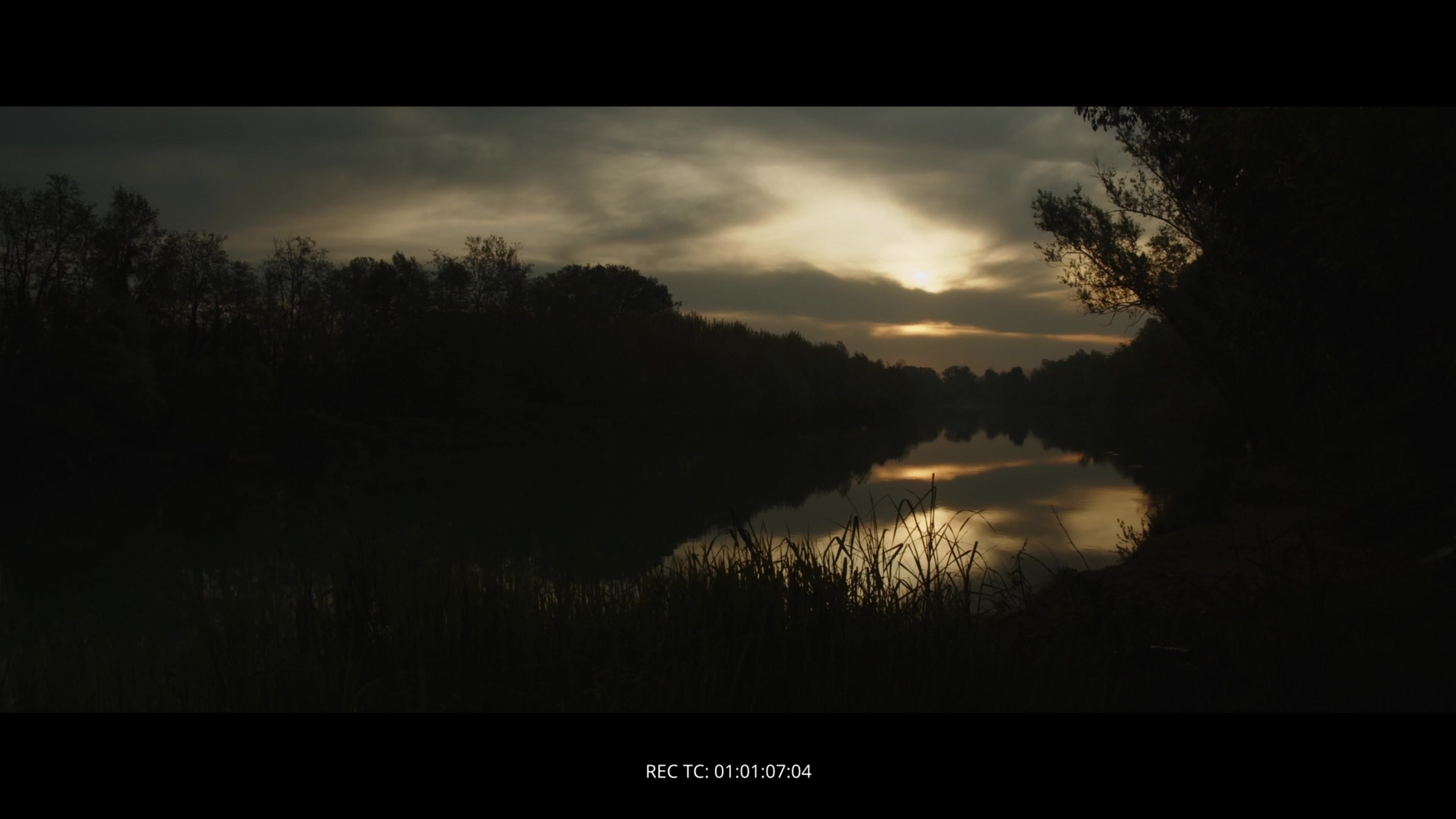 04:59Battle rhythmTimbri antichiModern orchestraLow strings incipitTrombones
I Veneti Antichi, The Battle With The Spartans (Action)
I Veneti Antichi · Action · 04:59
Reconstruction of the battle with the Spartans, built on fast cuts and long battlefield wides. The sequence needs drive without turning into a modern action trailer, and it must leave space for historical narration and sound design.
- A: Percussion-only pulse. Too dry and not enough identity.
- B: Low strings pulse, brass calls on shifts, full orchestra only at the first clash.
- C: Full orchestral wall from the start. Overwhelming and flattened the dynamics.
Built on a low strings ostinato and a heartbeat kick to keep the pulse steady while the edit accelerates. Short brass calls and trombone figures mark shifts in formation, but the full orchestra is held back until the first clash, so the impact reads as a narrative turn instead of constant intensity. After the collision, the harmony opens into sustained low strings to let the aftermath breathe while keeping tension under the narration.
- Delivery format: WAV (linear PCM)
- Specs: 48 kHz, 24-bit
- Sync: aligned to final picture
- Alt: reduced percussion for VO
- Stems: strings, brass, percussion
- Separate stems where needed, clear naming and tracked versions for a safe post delivery.
Ready to send a cut?
Send the scene, your references, and what it must do. I will reply with options, timings, and next steps.